MLC Chair’s Initiative on Literacy: New laws on teacher training, staffing requirements central to states’ push to improve literacy
By fall 2029, every school district in Kansas will have a licensed reading specialist available at each of its elementary schools.
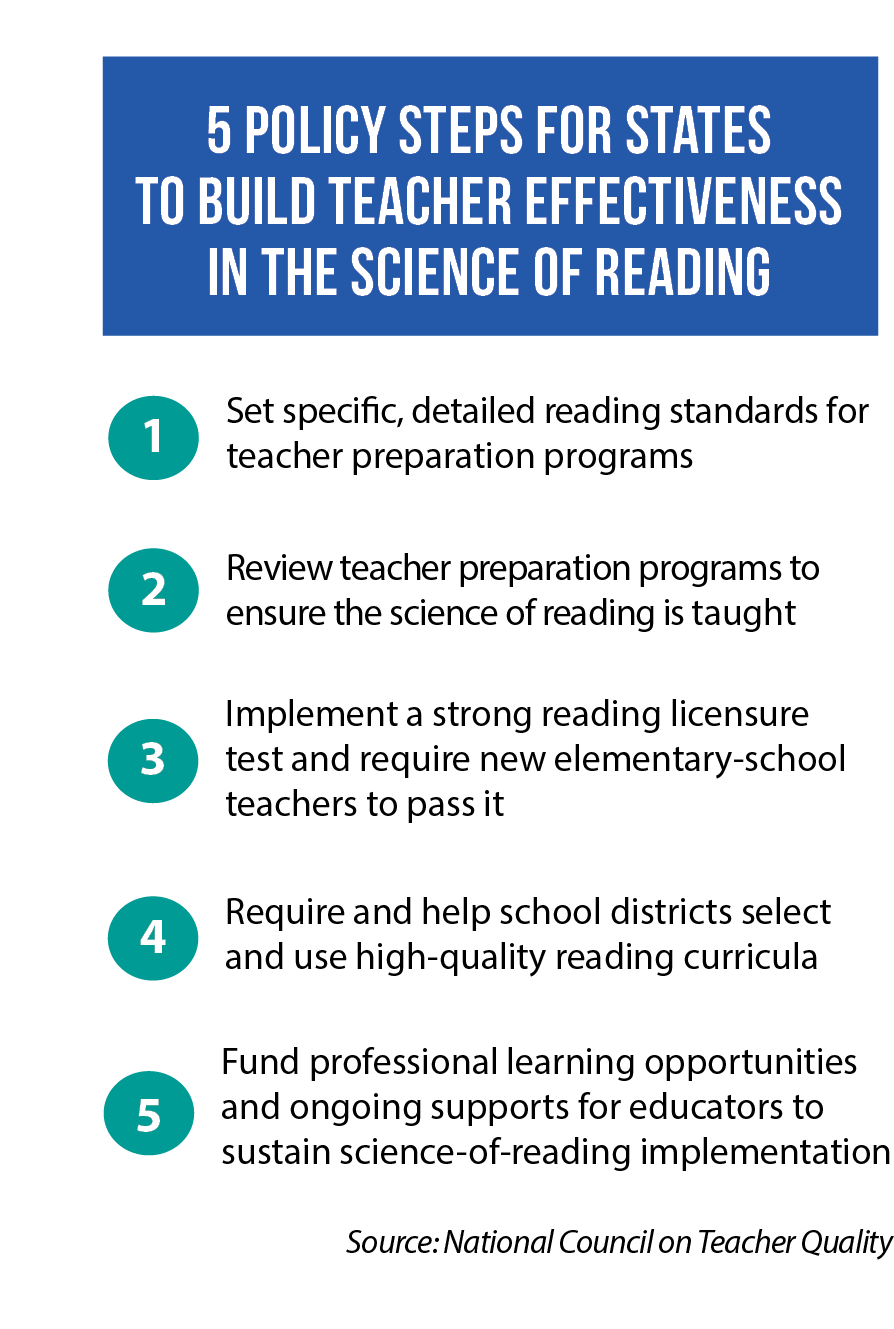 The new requirement, part of a larger education bill (HB 2485) that received overwhelming legislative support and became law in April 2026, reflects a trend across the region and nation: States strengthening staffing along with teacher training in an effort to improve student literacy.
A similar staffing requirement is in place in Wisconsin, and in Minnesota, districts must have a “literacy lead” that guides implementation of the READ Act (HF 2497 of 2023). All three states allow some flexibility for how districts meet the requirement; for example, districts may enter into cooperative agreements in which they “share” the reading specialist (Kansas and Wisconsin) or literacy lead (Minnesota).
Even more common in the Midwest have been new laws and investments related to teacher training on the science of reading.
In Michigan this year, the state’s final education budget (HB 5630) includes $50 million to deliver this training to pre-K, elementary and special-education teachers.
Under Indiana’s SB 199, signed into law in March 2026, more schools will participate in the Literacy Cadre, a professional development program for teachers on evidence-based reading instruction. This program is for teachers in schools where a relatively high percentage of the student population has failed to pass a state assessment of foundational reading skills. The threshold is now an average fail rate of 25 percent over three consecutive years. Also under the Indiana law, these schools must hire an instructional coach trained in the science of reading.
According to Education Week, as of April 2026, 24 U.S. states — including Indiana, Michigan, Ohio and Wisconsin in the Midwest — had implemented policies requiring teacher preparation programs to incorporate the science of reading into their course offerings and instructional approaches.
Under the new law in Kansas, the Board of Regents must ensure that teacher training programs at state universities “are exclusively utilizing science of reading and evidence-based practices.” HB 2485 also will require individuals seeking licensure as a reading specialist to complete 45 clock hours of training in the use of evidence-based reading instruction and assessment tools.
“Literacy in Action” is the 2026 Midwestern Legislative Conference Chair’s Initiative of Minnesota Sen. Mary Kunesh. In support of this initiative, CSG Midwest is developing a series of articles, policy resources and programming for legislators.